I Built My Perfect Course. Then I Saw It Destroying Me.
My cohort course was working. That was the problem.
Every group of students paid around $10K total. The testimonials were real. People told me the course changed how they showed up in meetings, interviews, high-stakes conversations. One student landed a job at Google two weeks after graduating. Another got promoted after presenting to her VP for the first time without freezing.
I should have been celebrating. Instead, I was drowning.
Each cohort required 10+ hours a week of live teaching, plus individual feedback sessions for every student. I’d record personalized Loom videos at 11pm on a Tuesday after a full day at Lucid, where I lead business development. My weeks looked like this: 50 hours at my day job, another 20 on the course, and whatever scraps were left for everything else. Seventy-hour weeks, minimum.
My girlfriend noticed before I did. “You look exhausted all the time,” she said. She wasn’t wrong.
I kept telling myself this was just the hard part. That if I pushed through, it’d get easier. Classic founder delusion.
The Prompt That Cracked It Open
Jay Clouse runs a creator event called The Lab. I went to one of his sessions in early 2025, mostly because I needed a weekend away from my laptop.
During a workshop, Jay gave us a journaling prompt. I’m paraphrasing, but it was something like: “What would you do to get your business to its ideal state if you weren’t afraid?”
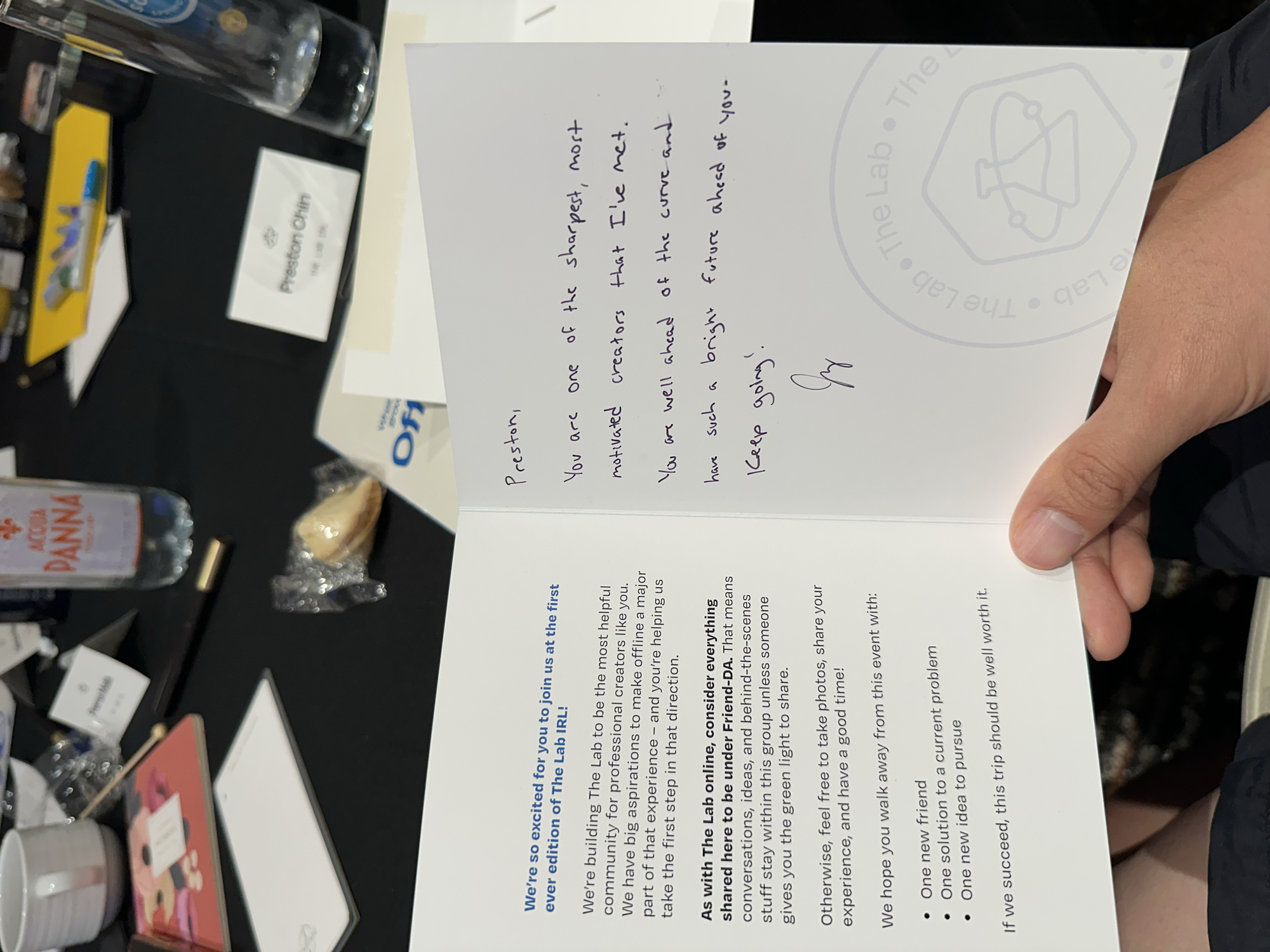
I wrote for maybe eight minutes. When I read back what I’d written, I sat there for a while.
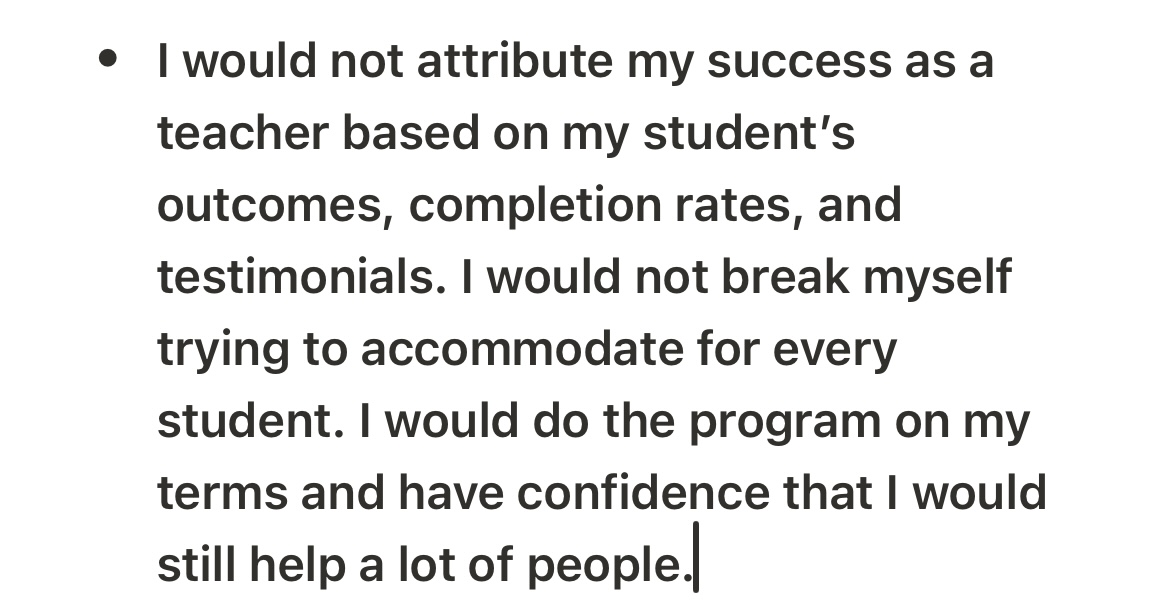
Every answer pointed to the same thing. I’d reduce my direct involvement. I’d stop doing live sessions every single week. I’d build something that didn’t require me to personally hold every student’s hand through every exercise.
But I hadn’t done any of that. Because I was terrified of disappointing people.
I’d built the entire course around this belief that my students needed ME. My live presence. My real-time feedback. My personal attention. And some of them did benefit from that. But the business model was eating me alive, and I’d been too scared to admit it.
The Conversation That Reframed Everything
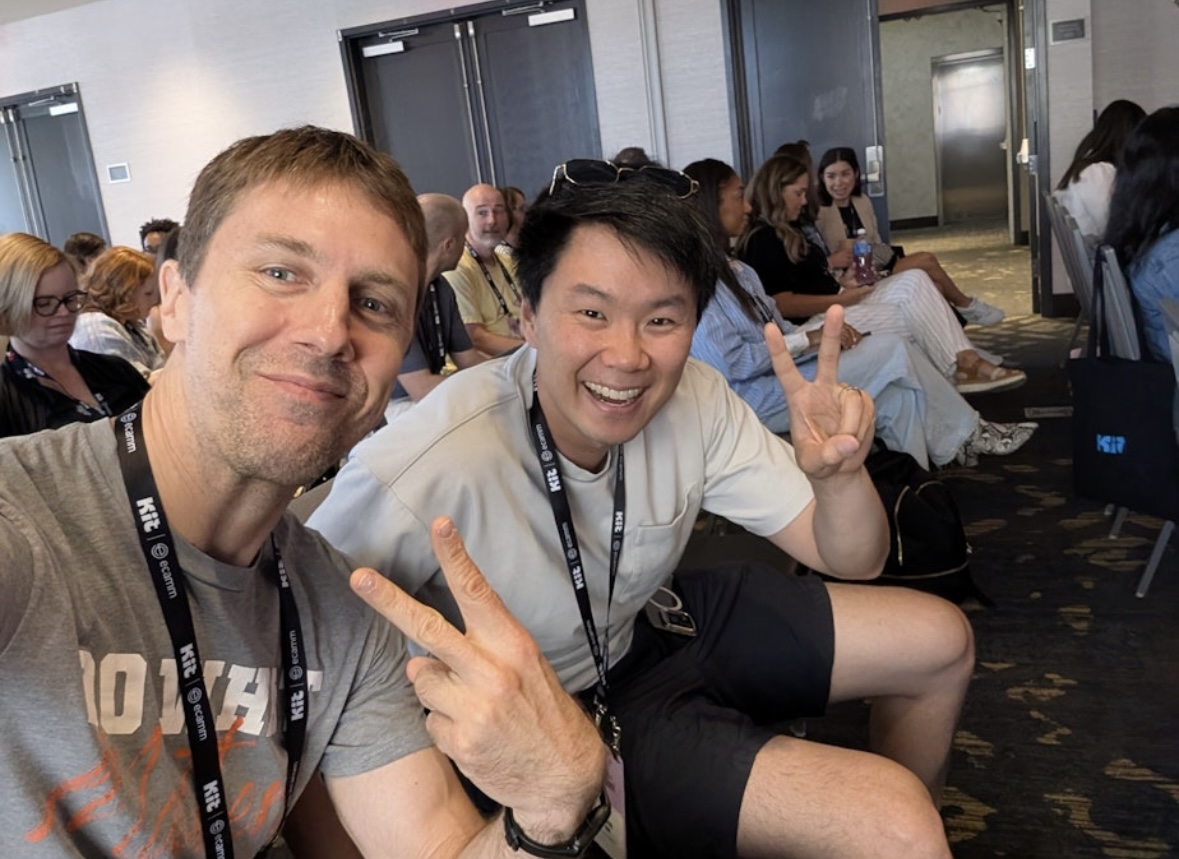
At the same event, I talked with another creator who’d been through this exact cycle. She’d burned out on a high-touch program, rebuilt it, and now served more students with less of her time.
She said something I keep coming back to: “You’re over-protecting your students. You’re robbing them of the struggle that actually teaches them.”
That hit different.
I thought I was being a great teacher by giving students constant access to me. Answering every Slack message within hours. Doing extra coaching calls when someone felt stuck. But she pointed out that I was actually creating dependency. Students weren’t building the muscle of figuring things out on their own, because I was always there to do the heavy lifting for them.
She talked about allowing natural consequences. If a student doesn’t do the homework, they don’t get the result. That’s not failure on your part. That’s learning on theirs.
I’d been treating every student’s struggle like my personal emergency. And that’s not sustainable for anyone.
What I Actually Believe About Teaching
The best teachers I’ve ever had didn’t hover. My math professor in college barely answered questions directly. He’d redirect you to the problem, make you work through it again, and sit quietly while you figured it out yourself. Infuriating in the moment. Transformative in hindsight.
The best coaches in sports don’t play the game for their athletes. They design practice. They create the conditions. Then they step back.
I was trying to be the coach AND the player. Running every drill alongside every student, personally spotting every rep.
Effective teaching means building the right environment, setting up the right challenges, and then trusting people to do the work. Not because you don’t care. Because that IS how people actually learn.
What I’m Changing
I’m restructuring everything. The new version of the course will have clear daily assignments, a structured practice schedule, and built-in accountability that doesn’t depend on me being online every night.
Will some students miss the live sessions? Probably. Will some leave negative feedback? Maybe.
But I can’t keep running a business that requires me to be present for every single hour of transformation. That’s not a business. That’s a job I created for myself with worse hours than my actual job.
The irony is that stepping back might actually make the course better. When students have to practice on their own, record themselves, review their own footage, and push through discomfort without me as a safety net, they’ll build real skill. Not the kind that disappears when the cohort ends.
I’m still figuring out the details. But the direction is clear: build something that serves more people without requiring all of me in the process.
Preston
Get a new build-with-AI guide every week
Weekly playbooks on prompting, agents, and content systems — free.
You're in. First email lands shortly.