From Zero to 650K Followers: What Actually Worked (While Keeping My Day Job)
I started posting on TikTok in August 2022 with zero followers, zero strategy, and an iPhone propped up on a stack of books.
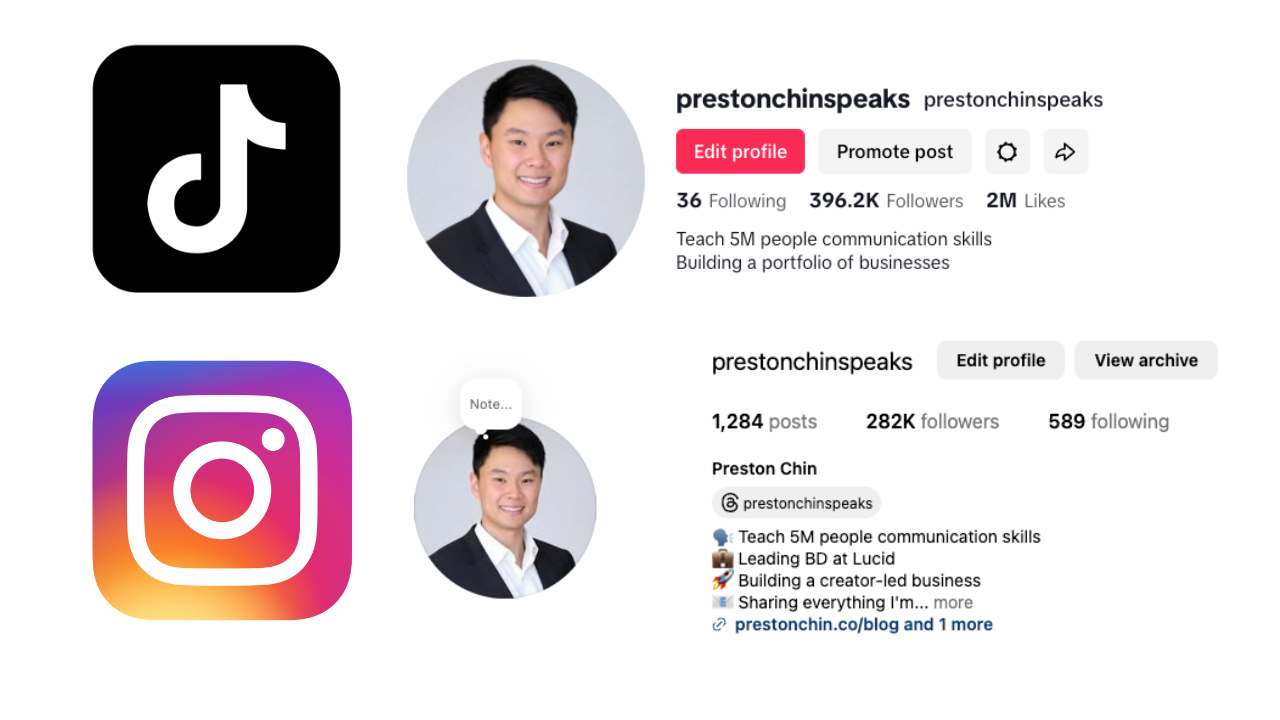
Today I have over 650,000 followers across platforms. I’ve built this while working a full-time job in business development at Lucid. No sabbatical. No trust fund. No quitting to “go all in.”
What follows is the real timeline of how it happened, including the parts that sucked.
Phase 1: The 10-Day Experiment (Months 1-2)
I gave myself a challenge: post one TikTok every day for 10 days. If nothing happened, I’d stop and move on.
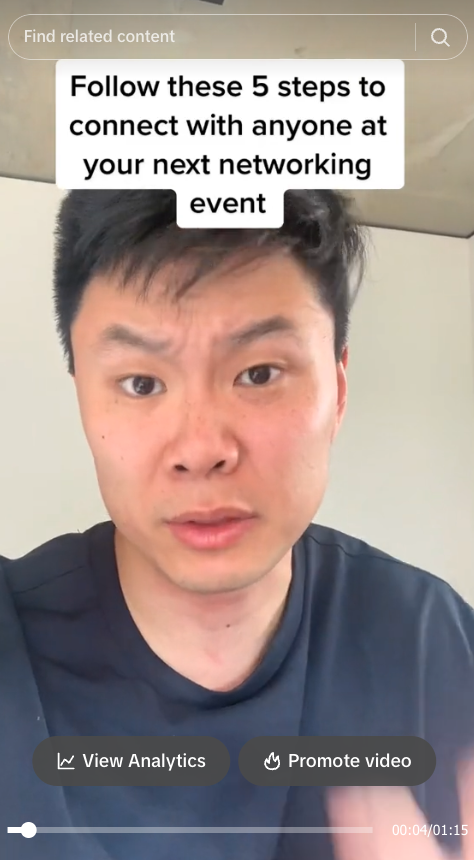
Day one I recorded a 45-second video about how to structure your thoughts before speaking. The lighting was terrible. My delivery was stiff. It got maybe 200 views.
I kept going.
After each video, I used a simple framework I call Plus/Minus/Next. What went well? What didn’t work? What will I change tomorrow? Nothing fancy. Just a way to improve by 1% each day instead of repeating the same mistakes.
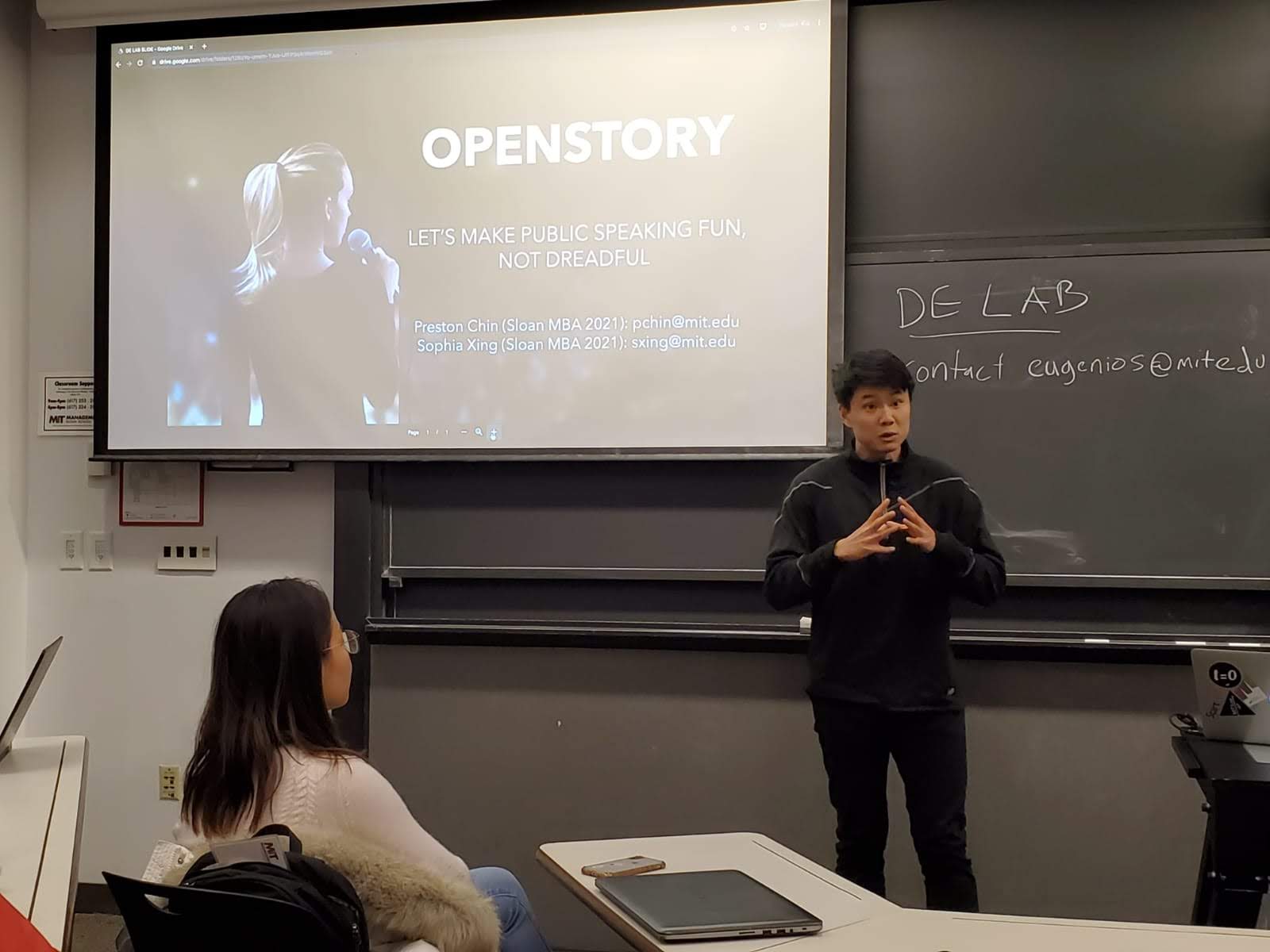
I chose communication skills as my topic because I’d spent years doing it professionally. Partnerships, sales, presentations at the NBA, CBS, and Lucid. I knew the material cold. That matters more than people think. You can learn to be good on camera. You can’t fake deep expertise.
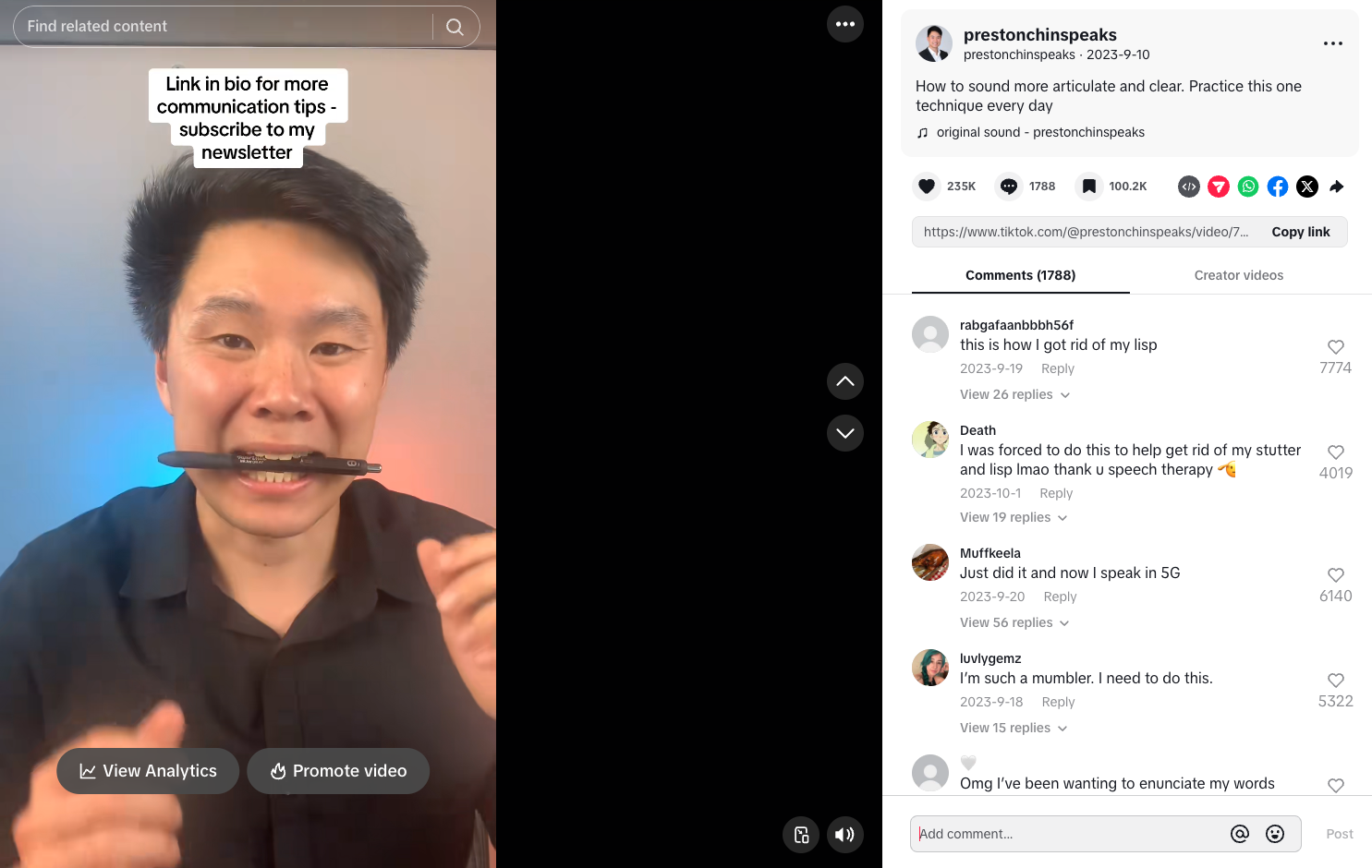
By day 10, one video had broken 50,000 views. Not viral by most standards. But enough signal to keep going.
Phase 2: Building the Machine (Months 3-12)
Here’s where most people quit. The early excitement fades. You’re grinding out content daily and most of it gets 500 views. The algorithm feels random.
I survived this phase by building systems, not by relying on willpower.
First, I capped my daily time at one hour. I had a full-time job. I couldn’t afford to spend three hours per day on content. One hour was the budget, and I had to make it count.
Second, I batch-recorded. Every two weeks, I’d block off a two-hour session and record 20-24 videos in a row. Single takes. No editing, no retakes unless I completely botched something. This sounds fast, but when you know your material, 60-90 seconds per take is doable.
Third, I hired a video editor on Upwork. This was the single biggest unlock. Cost me a few hundred dollars a month initially, but freed up 10-15 hours per week that I’d been spending on cutting clips, adding captions, and formatting for different platforms. Those hours went back into creating content and actually living my life.
By month 12, I’d crossed 100,000 followers on TikTok. Instagram was growing too, trailing about 6 weeks behind.
Phase 3: Pattern Recognition (Months 13+)
Once I had enough data, I started studying what actually worked.
I pulled my top 20 videos by view count and analyzed them. What hooks did they use? How long were they? What topics did they cover? What format were they in?
Patterns emerged fast. Videos where I used a whiteboard or visual aid consistently outperformed talking-head videos. Hooks that started with a specific scenario (“Your boss just put you on the spot in a meeting…”) beat generic hooks (“Want to be a better communicator?”). Videos under 60 seconds had higher completion rates, which drove the algorithm to push them further.
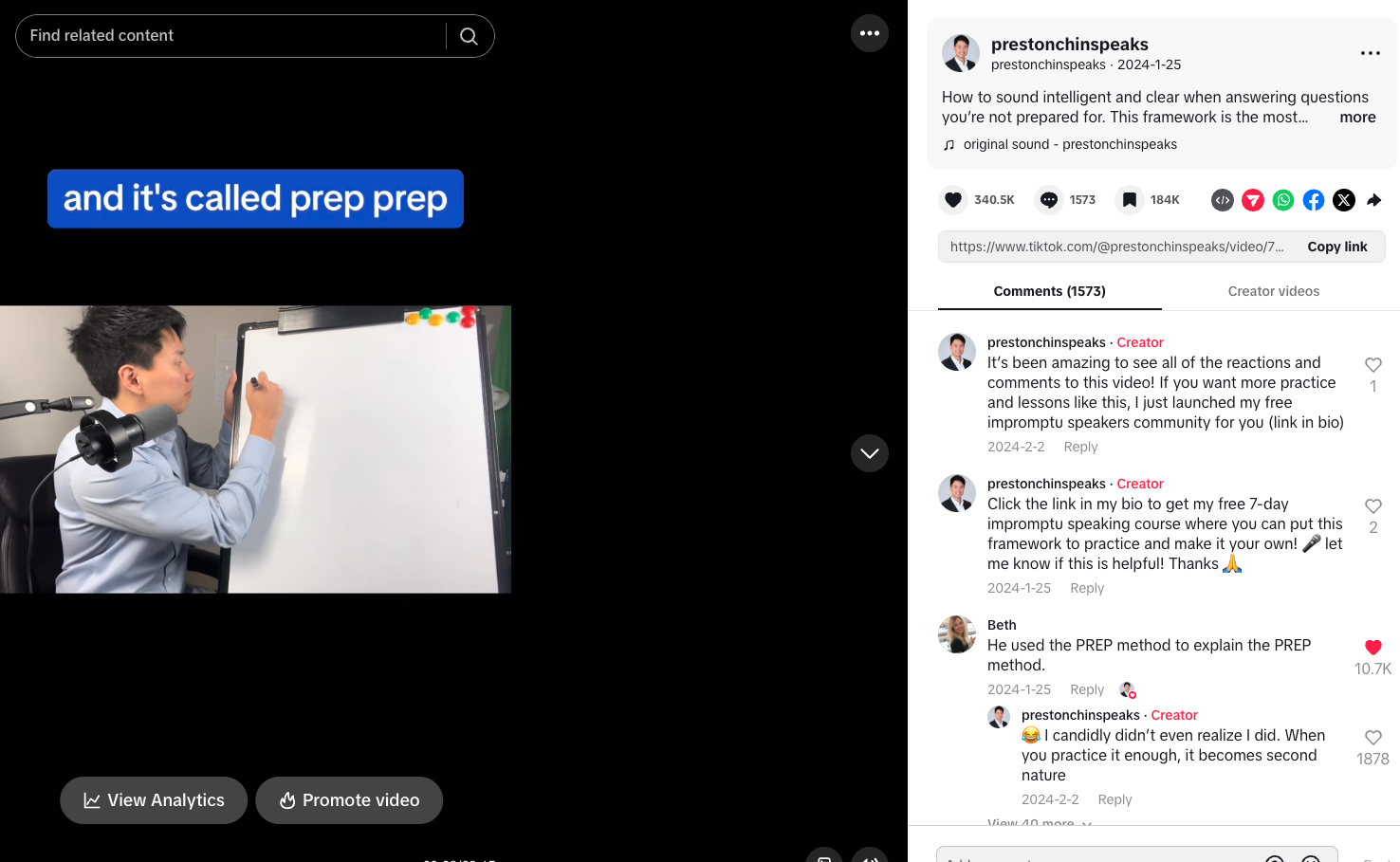
My most viral video hit 5 million views. It was a whiteboard breakdown of how to organize your thoughts using a simple framework. Nothing revolutionary about the content. The format did the heavy lifting.
I also started studying creators outside my niche. Cooking creators, fitness creators, comedy accounts. I wasn’t looking at their topics. I was looking at their formats, their pacing, their edit styles. Then I’d adapt those structures to my own content.
This is something most creators miss. Your best ideas for improvement won’t come from studying your direct competitors. They’ll come from watching what works in completely unrelated spaces.
The Current Setup
Today, my content operation takes 2-3 hours per week. That’s total, across all platforms.
My team is small: two contract video editors and one executive assistant who handles scheduling, inbox management, and basic operations. Everyone is part-time.
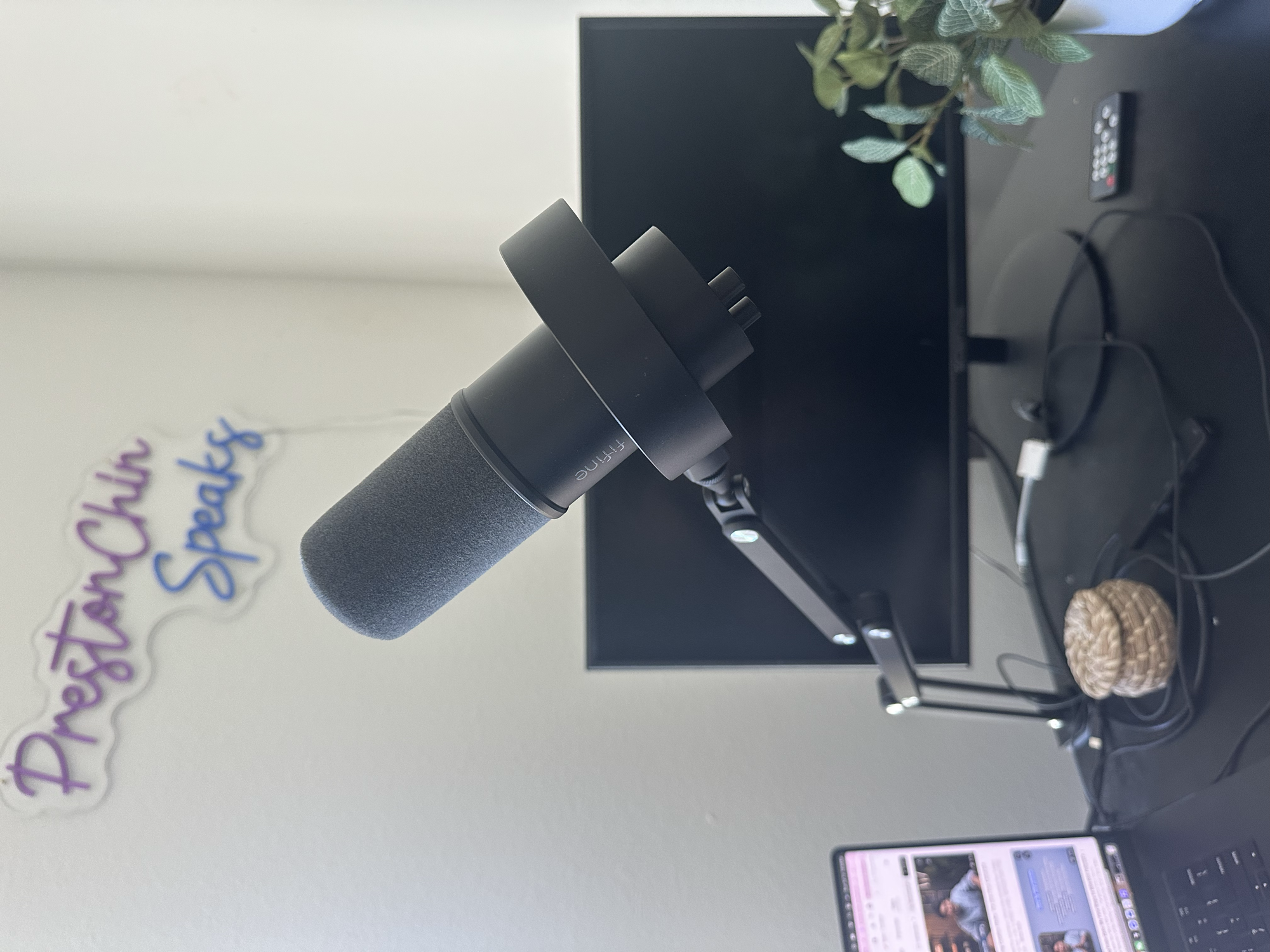
Equipment is minimal. iPhone 13 Pro for recording. A $75-100 USB microphone. Ring light. That’s the full kit. I’ve seen creators spend thousands on camera gear before they’ve posted a single video. Don’t do that.
The workflow is simple. I batch-record videos every couple of weeks. Editors cut and format them. EA schedules posts. I review final versions on my phone during lunch or after work. Occasionally I’ll record a YouTube video or long-form piece that requires more planning, but the short-form machine runs mostly without me.
What Actually Matters
People ask me for the “secret” all the time. There isn’t one. But if I had to distill what actually mattered, it’s this:
Consistency beat talent. I wasn’t a natural on camera. Watch my early videos and you’ll see. Wooden delivery, awkward pauses, weird eye contact. But I posted every day for months, and I got better because I had no choice.
Systems beat willpower. I didn’t wake up every day motivated to create content. Motivation is unreliable. What I had was a system: batch record, hand off to editors, review and approve. The system ran whether I felt like it or not.
Delegation beat perfection. My editors don’t create exactly what I would create. They get it to 85%. I used to agonize over that 15% gap. Now I realize that shipping at 85% every day beats shipping at 100% once a week. The volume compounds.
The followers didn’t come from one viral moment. They came from showing up over and over again, getting slightly better each time, and removing myself from the parts of the process that didn’t require me.
That’s it. No tricks. Just reps.
Preston
Get a new build-with-AI guide every week
Weekly playbooks on prompting, agents, and content systems — free.
You're in. First email lands shortly.