4 Lessons From My First $50K
I’ve made about $60,000 from my creator business over the last 2.5 years. All while working full-time at Lucid Software.
That’s not “quit your job” money. I know. But it’s real revenue from something I built from scratch on nights and weekends, and the lessons I learned getting here are worth more than the cash.
Here are four of them.
1. Email Lists Beat Viral Content
October 2023 was my biggest month on social media. Several videos crossed a million views. My follower count was climbing daily. It felt like I was on the verge of something big.
I made almost nothing from it.
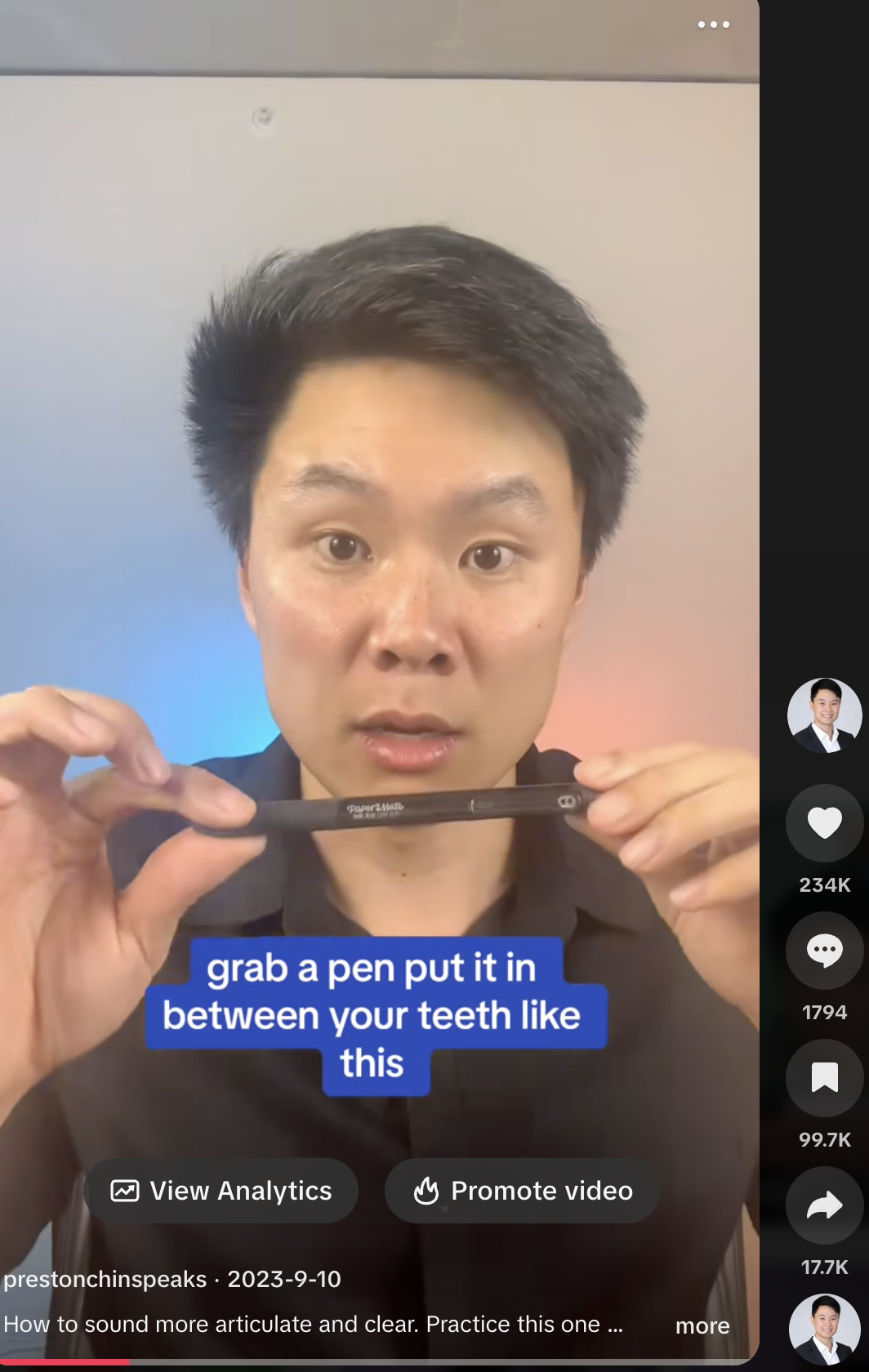
Why? Because I had no way to capture those people. No email list. No landing page. No mechanism to turn a viewer into a subscriber. Millions of eyeballs came and went, and I had nothing to show for it except a higher follower count that the algorithm could take away at any time.
Social media builds awareness. It puts you in front of people. But it doesn’t build relationships. The algorithm decides whether your audience sees your next post. You have zero control.
Email is the opposite. Every subscriber is someone who chose to hear from you. No algorithm between you and them. When I finally set up my email list (too late, in hindsight), the economics changed almost immediately. My newsletter subscribers convert to coaching clients at about 10x the rate of social media followers.
If I could go back and change one thing from the beginning, I would have started collecting emails from day one. Before posting a single video. Before building a following. Get the capture mechanism in place first. Then grow.
2. Strategic Delegation Is Investment, Not Expense
For the first year and a half, I did everything myself. Scripted every video. Recorded every video. Edited every video. Wrote every newsletter. Managed every coaching client. Responded to every DM.
I was spending 35-40 hours a week on my creator business on top of a full-time job. Weekends didn’t exist. Sleep was negotiable.
When someone first suggested I hire help, my reaction was: “I can’t afford it.”
Wrong frame. The right question was: “Can I afford not to?”
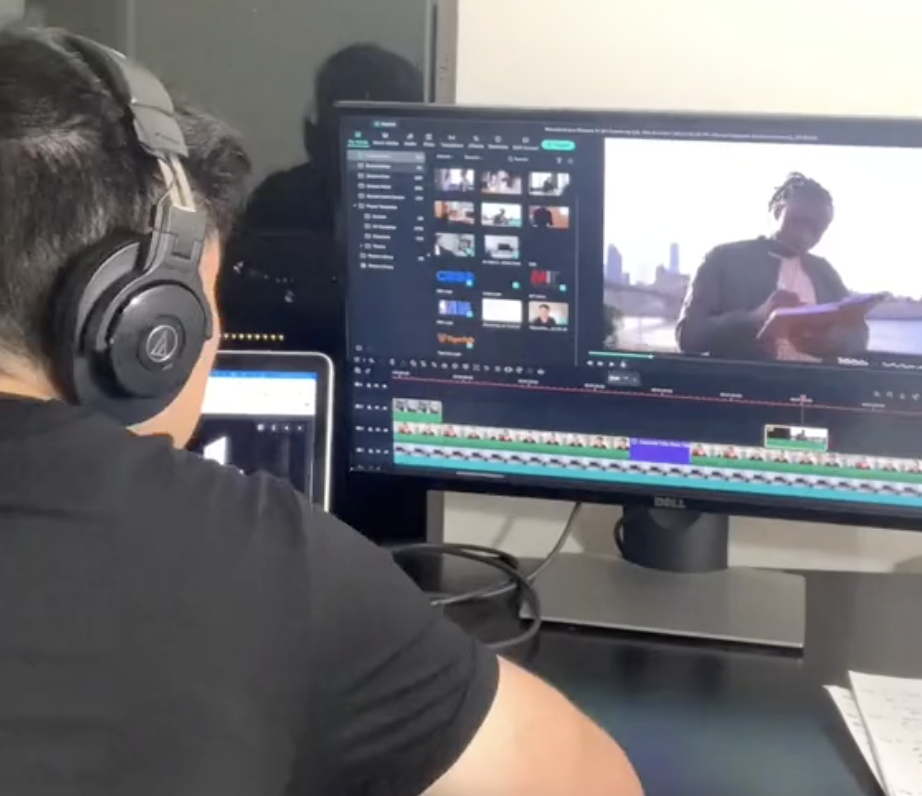
I hired a video editor and a virtual assistant. Together they cost me roughly $2,000 a month. In exchange, I got back 25-30 hours per week.
Those 25-30 hours let me focus on the things that actually generate revenue: coaching calls, course creation, YouTube content, partnerships. The stuff only I can do.
Within two months of delegating, my monthly revenue increased by more than what I was paying both of them combined. Not because they were making me money directly. Because they freed me to do the work that does.
There’s a mental shift that needs to happen. When you’re early and scrappy, doing everything yourself feels virtuous. Like you’re grinding. And you are. But grinding on $10/hour tasks when you could be doing $200/hour tasks isn’t discipline. It’s bad math.
3. Mission-Driven Beats Niche-Focused
For most of my creator journey, I was “the communication coach.” Every video was about speaking clearly, executive presence, public speaking, interviewing. That niche built my audience. It worked.
And then it started to feel like a cage.
I got interested in AI. I started building automations. I wanted to talk about business, about the creator economy, about the experiments I was running. But every time I thought about posting that kind of content, a voice in my head said: “Your audience followed you for communication tips. Don’t confuse them.”
So I stayed in the box. And I got bored. And when the creator gets bored, the content gets stale. My audience could tell.
The shift happened when I stopped thinking about niche and started thinking about mission. My niche was communication coaching. My mission is broader: helping ambitious people build skills, systems, and leverage. Communication fits under that. So does AI. So does automation. So does business building.
Stacking Days exists because of that realization. Small days, big leverage. That’s a mission, not a niche. It gives me room to write about whatever I’m genuinely excited about, as long as it connects to the core idea of compounding effort.
My engagement went up when I made this shift. Not down. Turns out audiences don’t follow you for your niche. They follow you for your perspective. And your perspective gets richer when you’re not confined to one topic.
4. Long-Term Growth Over Quick Wins
Most of my $60K came from coaching. One-on-one sessions at $150-200 per hour, group programs at $500-800 per person, workshop facilitation.
That revenue felt great when it came in. But coaching is a time trap. Every dollar requires my time. And the hours I spent coaching were hours I couldn’t spend on YouTube, on building courses, on creating products that sell while I sleep.
I ran the math at one point and realized something painful. In the time I spent doing 1-on-1 coaching over 6 months, I could have created a full self-serve course and a YouTube channel with 20+ videos. The coaching made me maybe $15,000 in that window. A course and YouTube channel could generate that much every year passively once built.
But the coaching money was immediate. The course and YouTube money was speculative. So I kept choosing the sure thing.
This is the trap. Quick wins feel responsible. You’re generating revenue, covering expenses, building a track record. But they consume the exact hours you need for building assets that compound.
I’m not done with coaching. I still do group programs because I genuinely enjoy the teaching. But I’ve capped my coaching hours and redirected the freed-up time toward YouTube, products, and systems.
The $60K number doesn’t excite me. What excites me is that the next $60K will take less time to earn, because I’m finally building things that don’t require me to be in the room.
Looking Forward
If you’re early in your creator journey or side project, here’s my unsolicited summary:
Build the email capture before the audience. Delegate as soon as you can afford to, and probably sooner than you think you can. Follow your curiosity, not just your niche. And resist the pull of quick revenue when you should be building assets.
None of these are original insights. But I had to learn each one the expensive way. Maybe you don’t have to.
Preston
Get a new build-with-AI guide every week
Weekly playbooks on prompting, agents, and content systems — free.
You're in. First email lands shortly.